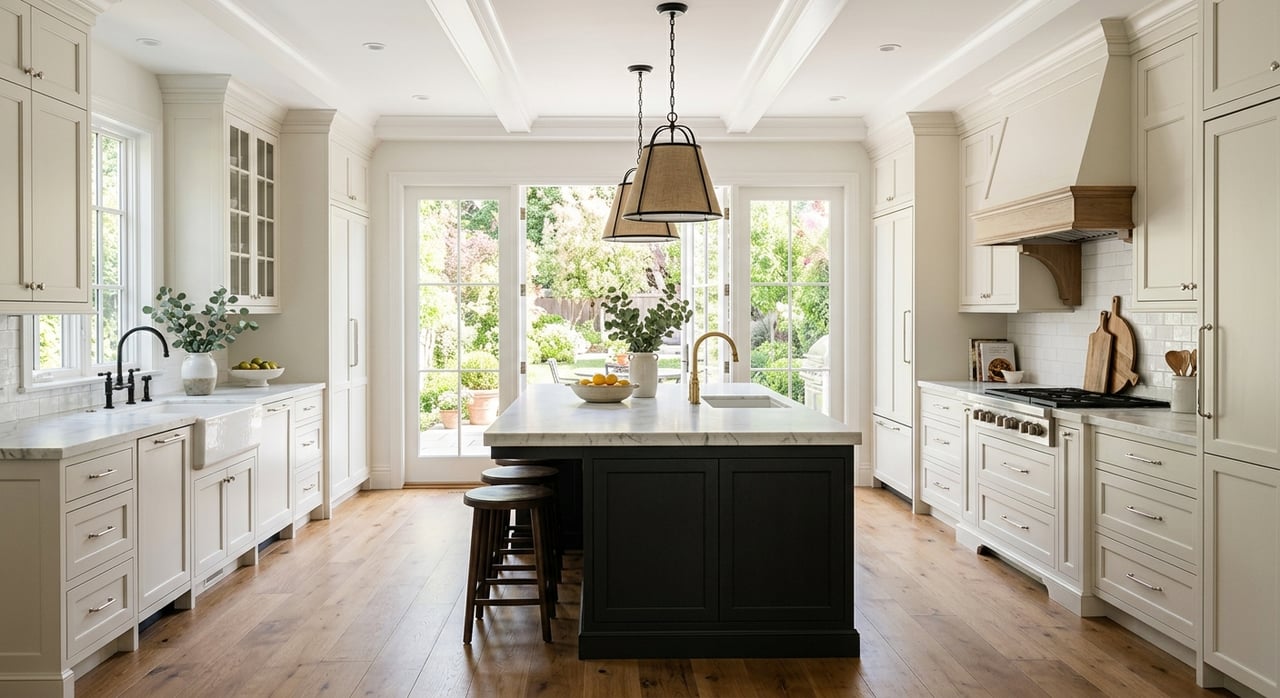
How To Price Your La Grange Home In Today’s Market
Wondering whether to price high and “leave room to negotiate” or price sharp and try to create competition? In La Grange, that choice matters more than ever. Today’s market is active, but buyers are still comparing condition, location, and value closely. If you want to sell with confidence, the right price starts with local data, not guesswork. Let’s dive in.
La Grange remains a competitive selling market in spring 2026, but the headline numbers vary depending on where you look. Public portals show different inventory counts, different median prices, and different days-on-market figures. That is exactly why a pricing strategy should never rely on one market snapshot alone.
For example, Realtor.com’s 60525 data shows 46 homes for sale, a median listing price of $437,000, and 26 median days on market in March 2026. Redfin shows 13 March 2026 sales, a median sale price of $775,000, 48 median days on market, and a 104.9% sale-to-list ratio. Zillow showed 26 homes for sale and a median list price of $550,767 as of April 30, 2026.
Those numbers do not mean the market is unclear. They mean broad averages can only tell part of the story. In a town like La Grange, where housing styles, lot sizes, updates, and locations vary widely, your list price should be built around recent comparable sales and your home’s specific strengths.
The most reliable foundation for pricing is still the same: recent local comps. Seller guidance for 60525 points to recent comparable sales, current market conditions, and property condition as the key factors that should shape price.
Recent closings in La Grange show how differently outcomes can play out. One home on S Brainard sold for $775,843 after listing at $735,000 and spending 64 days on market. Another on S Gilbert sold for $520,000 on a $505,000 list after 32 days.
At the same time, not every home sold over asking. A home on S La Grange Road sold for $375,000 after listing at $387,000, and one on N Waiola sold right at list after 90 days. The lesson is simple: similar-looking homes can perform very differently depending on pricing, condition, and buyer expectations at the time they hit the market.
A single median for La Grange can be misleading because the town has a broad range of homes. Village materials describe housing stock that ranges from about $350,000 to more than $1 million, with a large share of quality single-family homes and a historic housing mix.
That range matters. If more higher-end homes close in a given month, the median can jump quickly. If more entry-level or mid-range homes close, the median can drop just as quickly. That is why your pricing strategy should focus less on town-wide medians and more on the homes a buyer would actually compare to yours.
In La Grange, location is not just about the town. It is about where in town your home sits and how that lines up with buyer priorities.
Village information highlights downtown La Grange as a central draw, with shops, restaurants, a movie theater, and the library within walking distance of nearby homes. The village also notes that La Grange has two Metra stations with roughly 5,000 daily boardings and sits about 13 to 14 miles west of downtown Chicago.
That helps explain why homes near downtown amenities or train access may support a stronger asking price. Still, there is no automatic premium that applies to every property. The effect depends on the home itself, its condition, and how buyers are responding to similar listings nearby.
If your home offers easy access to downtown or the train, that convenience should be reflected in your pricing conversation. It may support a stronger position, especially for buyers focused on commute options and walkability.
But convenience alone will not overcome an ambitious price. Buyers still compare square footage, layout, finish level, lot, and overall presentation. A strong micro-location helps, but it works best when paired with realistic pricing.
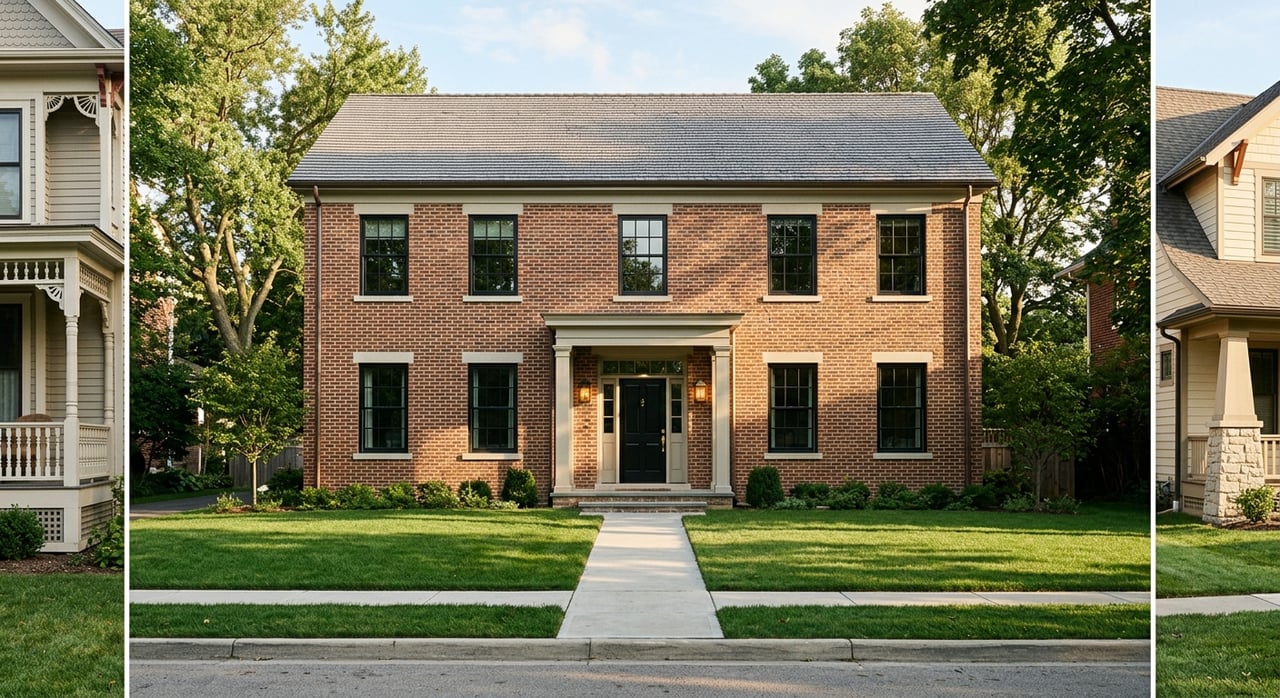
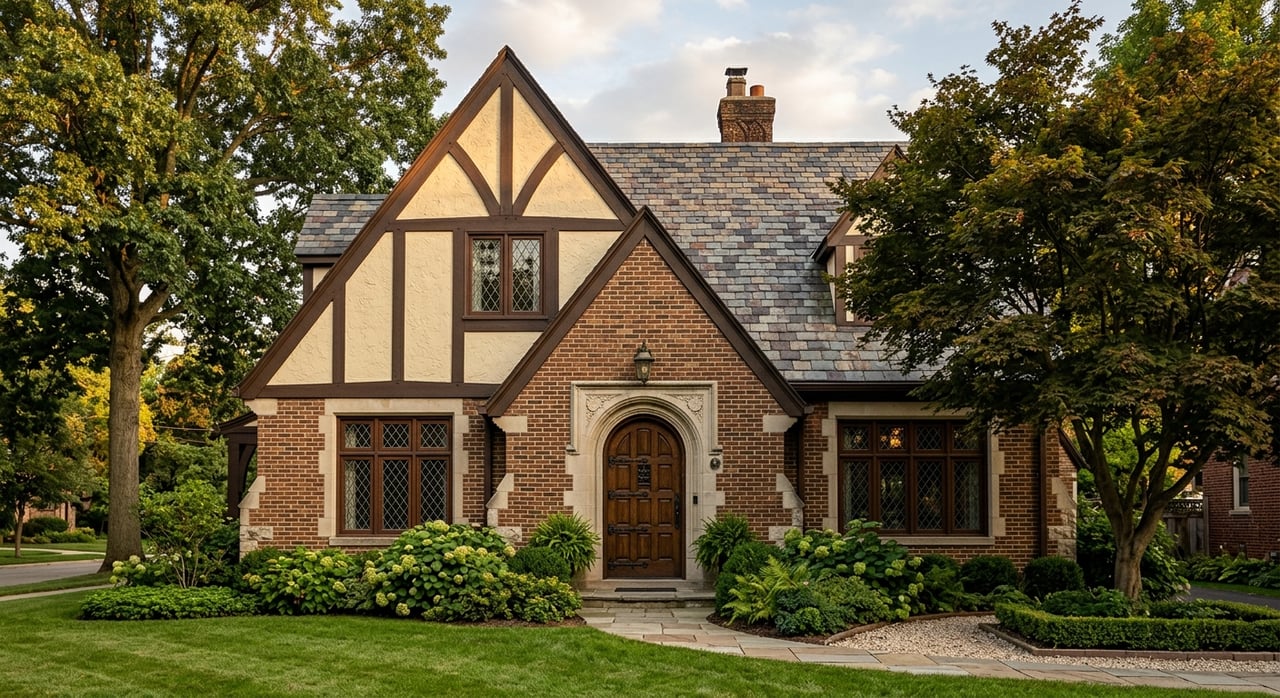
La Grange has many homes from the late 19th and early 20th centuries, especially within its historic district. That architectural character can be a major selling point, but age alone does not determine price.
A well-preserved older home with thoughtful updates may compete very differently than a home of similar size that feels dated or has deferred maintenance. Buyers tend to look at the total package, not just charm or square footage.
That is why condition and finish level should be part of pricing from day one. If your kitchen, baths, flooring, lighting, paint, or exterior presentation are stronger than competing listings, that can support a firmer price. If not, your list price may need to reflect the work buyers expect to take on.
One of the biggest pricing mistakes sellers make is choosing a number based on hope rather than market behavior. In a market like La Grange, overpricing can cost you valuable momentum.
Redfin reports that La Grange homes receive about three offers on average, with the average home selling around 3% above list and going pending in about 49 days. It also notes that hot homes can sell for about 10% above list and go pending in around 29 days. Those numbers support a strategy built around accuracy, not padding.
Only 7% of homes had price drops in Redfin’s broader La Grange data. That suggests the market is rewarding sellers who get the price right early, rather than those who start high and adjust later.
Aggressive pricing can work for a standout property. If your home is move-in ready, beautifully presented, and in a strong location, you may have room to push the top end of the range.
But there is a difference between strong pricing and hopeful pricing. Nearby examples show that homes can sit for a long time and sell below list when the opening number misses the market. A high list price can shrink your buyer pool before your home has a fair chance to gain traction.
Strategic pricing is not about underpricing your home. It is about pricing close enough to market value that buyers engage quickly, showings build, and urgency can develop.
Nationally, the market in March 2026 was slower than what La Grange sellers were seeing. The typical U.S. home that went under contract did so in 55 days, the average sale-to-final-list ratio was 98.7%, and 25.6% of homes sold above final list price.
La Grange outperformed those national figures. Local data showed stronger sale-to-list ratios and a much larger share of homes selling above list. That means there is still room for competition here, even in a higher-rate environment.
The key is this: competition usually starts with a price buyers can take seriously. If the price feels justified, buyers often act fast. If it feels stretched, they wait, compare, and negotiate from a position of caution.
Pricing and preparation are not separate decisions. They support each other.
Seller guidance for 60525 notes that minor cosmetic updates such as paint, fixtures, and landscaping typically pay off better than major renovations, which rarely return full cost. It also notes that selling as-is can narrow your buyer pool and often attracts lower-priced investor or flipper offers.
In La Grange, that matters even more because many homes have historic character and older construction. Buyers often respond well to homes that feel cared for, clean, and ready to enjoy, even if every finish is not brand new.
A few targeted improvements may support a stronger asking price:
These updates can help your home show better online and in person. They also make it easier to defend your asking price when buyers compare your home to other options.
If you are preparing to sell in La Grange, your pricing strategy should answer a few core questions:
The strongest results usually come from a balance of analysis and presentation. You want a list price that reflects the market as it is, while also highlighting the features that make your home stand out.
La Grange is still rewarding well-prepared, well-priced homes. But it is not a market where sellers can ignore condition, micro-location, or buyer expectations.
The best list price is rarely pulled from a portal median or a neighbor’s opinion. It is built from recent comparable sales, adjusted for your home’s exact location, condition, and presentation. When those pieces line up, pricing becomes a tool to attract attention, build confidence, and position your home for a strong result.
If you are thinking about selling and want a pricing strategy grounded in current La Grange data and thoughtful local context, Anne Hodge can help you build a plan that fits your home and your goals.
Stay up to date on the latest real estate trends.
Anne thoroughly enjoys her profession and has a deep sense of responsibility to her clients. She understands the magnitude of selling or buying a home, and works tirelessly to make sure her client's goals are met.