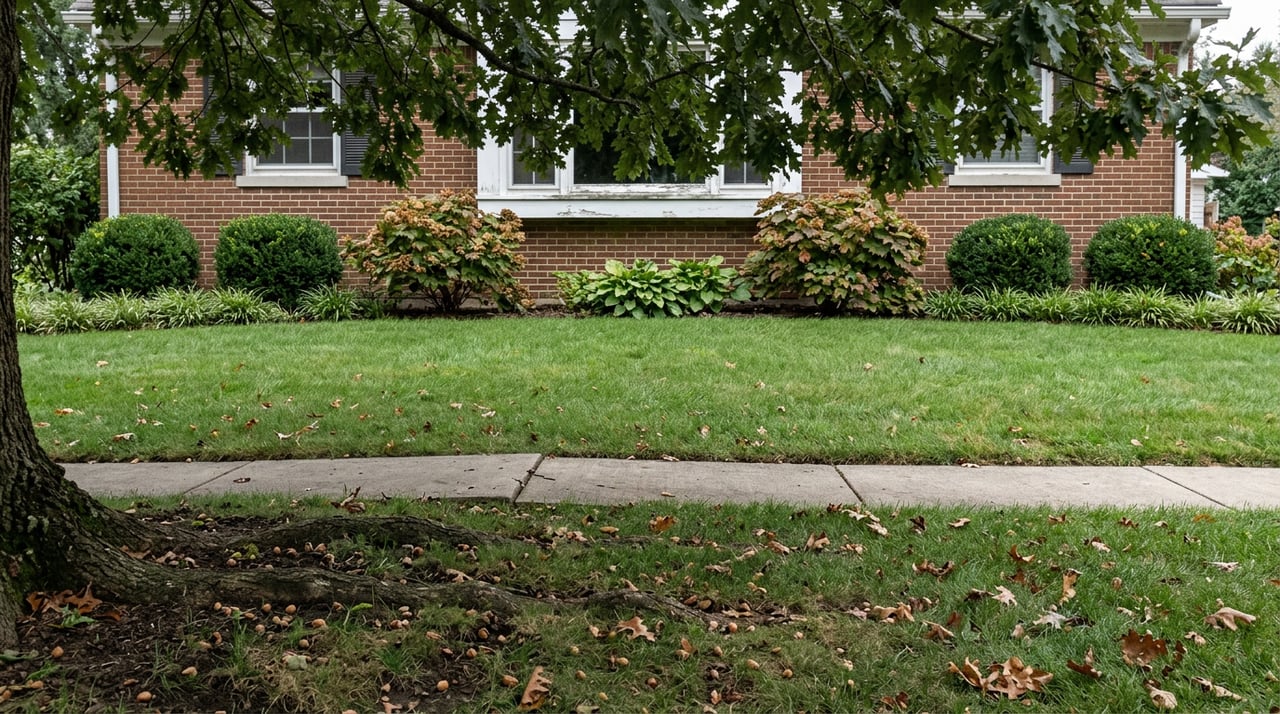
Selling a House in La Grange, Illinois: Requirements to Know
If you've sold a house in Westchester, you know the drill: according to BW Title's municipal transfer-stamp guide, pay $125, wait for a village inspector to walk the property, and don't expect your transfer stamp until it passes. According to Groll Law, Addison wants a sewer inspection two weeks before closing. These aren't obscure exceptions. They're documented in the municipal transfer-stamp guides that closing attorneys and title companies use to figure out what each Cook and DuPage County town requires before a deed can record.
La Grange asks for none of it. The Village's own FAQ page states plainly that a home inspection is not required prior to sale, that transfer stamps are not required, and that the only thing the Village asks is that your final water bill is paid before you sell.
That sounds like a lighter lift, and it is, on paper. But sellers who read "no inspection required" as "nothing to check" are misreading what that sentence actually means. It doesn't mean nothing gets inspected. It means the Village isn't the one doing it. The scrutiny that other towns front-load into a municipal walkthrough still happens in La Grange. It just happens later, in the form of a buyer's own inspector, on the buyer's own schedule, with the buyer's own leverage to renegotiate.
The list is short. Pay the final water bill. No transfer stamp to obtain, no fee to the Village, no scheduled walkthrough to pass. The Western Springs FAQ describes the same setup: no transfer stamps, a final water meter reading, and that's the extent of the municipal paperwork.
This is a real advantage for sellers. It means your closing timeline doesn't depend on a village inspector's availability, and it means you're not negotiating a punch list with a code official who has final say over whether your deal closes on schedule. For a seller trying to coordinate a sale and a purchase in the same window, one fewer scheduling dependency is worth something.
The confusion comes from geography. Buyers and sellers in the western suburbs move between towns constantly, and the towns don't all play by the same rules. A friend who sold in Addison had to schedule a sewer inspection two full weeks ahead of closing. That experience becomes the mental model, and it's a reasonable one to carry into a La Grange sale, right up until it doesn't apply.
The First American municipal transfer stamp guide that title companies use to track these requirements town by town confirms the pattern: some western suburbs require paid inspections before they'll release a stamp, others don't require a stamp at all. La Grange sits firmly in the second group. That's genuinely good news. It's just not the same as saying the house won't be scrutinized.
La Grange's housing stock is old by suburban standards, and its underground infrastructure is older still. The Village's own sewer services page puts the combined storm and sanitary system at 72 miles, much of it dating to the 1920s through the 1950s. The Village runs its own camera inspection and cleaning program on those public mains, and where it finds deteriorating sections, it repairs them with cured-in-place lining rather than digging up the street. The Village's flood mitigation page lists slip-lining, cleaning, and televising among its standard maintenance activities.
None of that reaches your property line. The Village's property owner responsibilities page is explicit that the sewer lateral connecting your house to the Village's main, the private pipe running under your own front yard, is the homeowner's responsibility to maintain and repair. Public Works can televise it from an exterior cleanout if you're having an issue, but the Village isn't authorized to enter the home to service it, and it isn't part of any pre-sale checklist.
That distinction matters because a clay tile lateral installed in the 1920s or 1930s has spent a century under La Grange's mature street trees, and tree roots find joint gaps in clay tile the way water finds a crack. A buyer's inspector, or more often a specialist the buyer hires to run a sewer camera after the general inspection flags a slow drain, is looking at exactly the pipe the Village has no authority over and no pre-sale interest in. If that camera finds root intrusion or a bellied section holding standing water, it can still stall a deal if it surfaces late.
The fix isn't complicated. If your home was built before 1960 and you haven't had the lateral scoped in your ownership, doing it before you list turns a possible late surprise into a known, disclosed condition you control the framing of.
Two items sit outside the inspection conversation entirely but can still slow a La Grange closing if they're wrong.
Neither of these takes more than an afternoon to verify, and both are the kind of thing a buyer's attorney will ask about if a neighbor mentions it during a showing.
La Grange, like most of the Chicago area, draws its drinking water from Lake Michigan through the City of Chicago's treatment system. The pipe that matters for a home sale isn't the water main under the street, it's the service line running from that main into the house, and in a town where a meaningful share of the housing stock predates 1986, when Congress banned lead pipe in new construction nationwide, some of those service lines are lead.
The Village has been ahead of this rather than behind it. Its lead service line page describes a multi-year capital program already underway to replace lead lines with copper, backed by an interactive inventory map where residents can look up the suspected material of their own service line. State law requires every Illinois community water supply to submit an annual replacement plan to the Illinois EPA, and full statewide replacement deadlines run anywhere from 2042 for smaller systems to 2077 for the largest, according to reporting from Capitol News Illinois on the rollout. La Grange isn't waiting for a deadline before disclosing the map. If you're selling a pre-1960s home, checking your address against that inventory before you list gives you an answer to a question buyers are increasingly likely to ask, and it costs nothing but a few minutes.
Do I need to schedule a village inspection before I can sell my La Grange home? No. The Village does not require a home inspection or a transfer stamp prior to sale. The only municipal requirement is a paid final water bill.
If there's no village inspection, does that mean nothing gets checked? No. Buyers still hire their own inspectors, and in a town with 1920s and 1930s housing stock, those inspectors and the sewer specialists they refer buyers to are the ones who will find aging clay tile laterals, not the Village.
Is my sewer lateral the Village's responsibility or mine? Yours. The Village maintains the public sewer main, but the lateral connecting your house to that main is the homeowner's responsibility to maintain and repair.
The absence of a village checklist in La Grange is a real convenience, and it's one more reason sellers here move through closing without the scheduling friction that trips up sales in neighboring towns. But the house still gets looked at closely. It just happens on a buyer's timeline instead of the Village's, which means the sellers who come out ahead are the ones who looked first.
If you're weighing a listing in La Grange and want a clear read on what your specific property is likely to face in inspection, Anne Hodge has walked enough of these closings in this housing stock to tell you what's worth checking before a buyer's inspector does. Let's Connect.
This article is general information, not legal, tax or financial advice. Consult a qualified professional about your situation.
Stay up to date on the latest real estate trends.




Anne thoroughly enjoys her profession and has a deep sense of responsibility to her clients. She understands the magnitude of selling or buying a home, and works tirelessly to make sure her client's goals are met.